



Calcium Channel Modulator
-
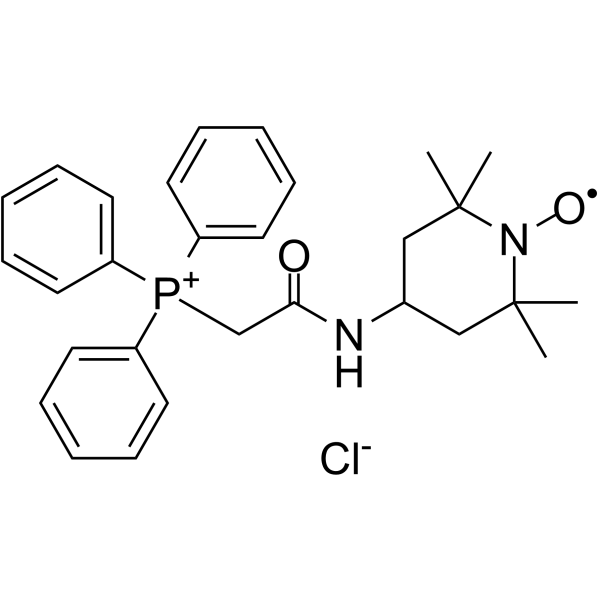
Mito-TEMPO
 0 Images
Mito-TEMPO is a mitochondria-targeted antioxidant. Mito-TEMPO induces mitophagy by activating the PINK1/Parkin pathway, inhibits NLRP3 inflammasome activation, restores mitochondrial membrane potential, and improves renal function and podocyte injury. Mito-TEMPO regulates Ca2+ homeostasis, inhibits Bnip3 overexpression, shortens action potential duration, and exerts antiarrhythmic effects. Mito-TEMPO reverses premature senescence, reduces trabecular bone loss, and decreases cell apoptosis. Mito-TEMPO can be used in studies of chronic kidney disease, age-related cardiac dysfunction, postmenopausal osteoporosis, and ischemic stroke.
-
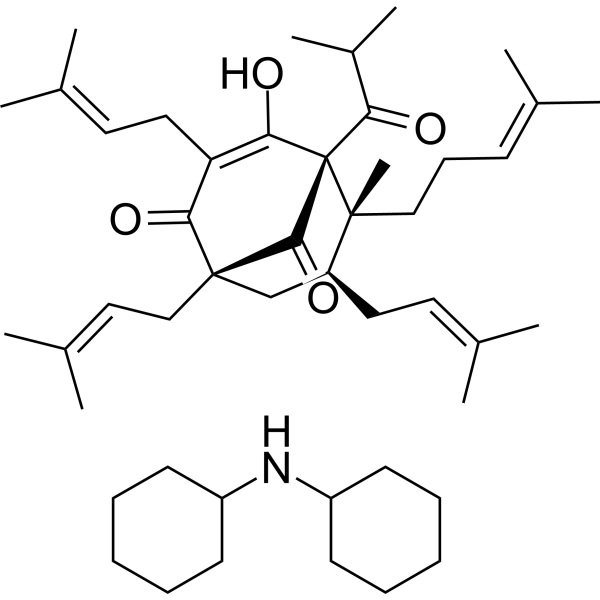
Hyperforin dicyclohexylammonium salt
 0 ImagesSynonyms: Hyperforin DCHA
Hyperforin dicyclohexylammonium salt (Hyperforin DCHA) is a transient receptor canonical 6 (TRPC6) channels activator. Hyperforin dicyclohexylammonium salt modulates Ca2+ levels by activating Ca2+-conducting non-selective canonical TRPC6 channels. Hyperforin dicyclohexylammonium salt also shows diverse pharmacological activities including anti-depression, anti-tumor, anti-dementia, anti-diabetes. Hyperforin dicyclohexylammonium salt modulates γδ T cells to secret IL-17α, improves Imiquimod (HY-B0180)-induced psoriasis-like mice model.
-
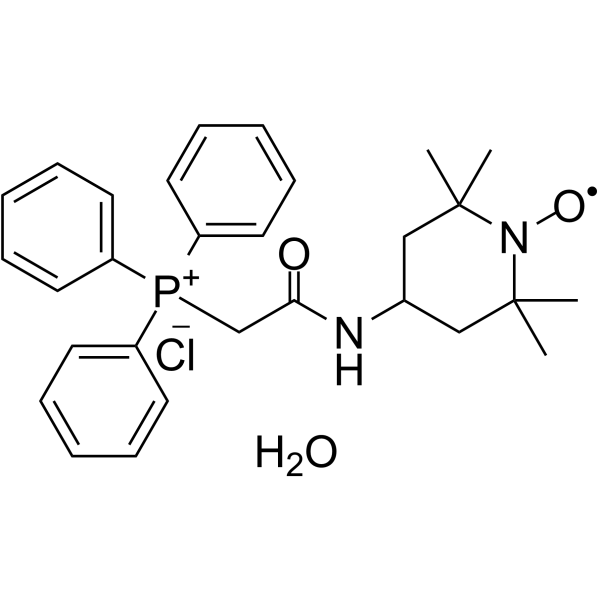
MitoTEMPO hydrate
 0 Images
MitoTEMPO hydrate is a mitochondria-targeted antioxidant. MitoTEMPO hydrate induces mitophagy by activating the PINK1/Parkin pathway, inhibits NLRP3 inflammasome activation, restores mitochondrial membrane potential, and improves renal function and podocyte injury. MitoTEMPO hydrate regulates Ca2+ homeostasis, inhibits Bnip3 overexpression, shortens action potential duration, and exerts antiarrhythmic effects. MitoTEMPO hydrate reverses premature senescence, reduces trabecular bone loss, and decreases cell apoptosis. MitoTEMPO hydrate can be used in studies of chronic kidney disease, age-related cardiac dysfunction, postmenopausal osteoporosis, and ischemic stroke.
-
Nesiritide
 0 ImagesSynonyms: Brain Natriuretic Peptide-32 human; BNP-32
Nesiritide (Brain Natriuretic Peptide-32 human) is a recombinant human B-type natriuretic peptide. Nesiritide is a NPRs agonist, with Kd values of 7.3 and 13 pM for NPR-A and NPR-C, respectively. Nesiritide regulates V1/2 activation/inactivation of the L-type calcium channel. Nesiritide shows vasodilatory, diuretic, and natriuretic activities. Nesiritide is used in cardiovascular diseases such as heart failure and vascular remodeling after arterial injury.
-
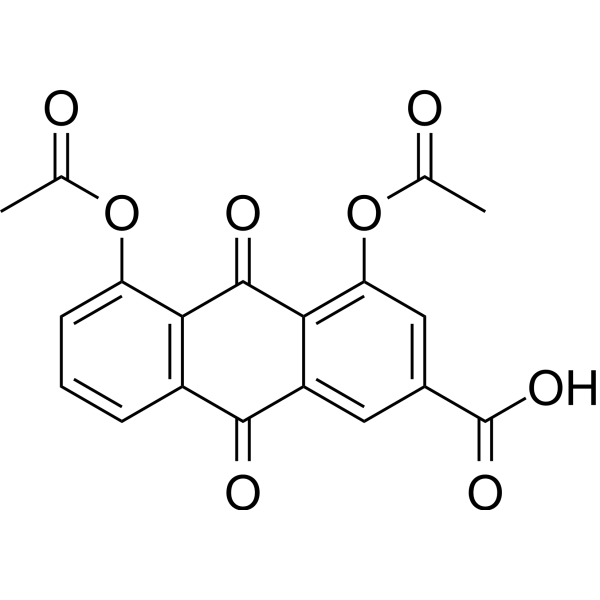
Diacerein
 0 ImagesSynonyms: Diacerhein; Diacetylrhein
Diacerein (Diacerhein), an orally active anthraquinone, reduces production of IL-1 converting enzyme then inhibits the activation of IL-1β by related downstream signaling. Diacerein is an anti-inflammatory and anti-rheumatic drug. Diacerein can relieve bronchospasm and control airway inflammation in asthmatic mice. Diacerein has the potential for slow acting drug in osteoarthritis (SYSADOA) research.
-
Pulegone
 0 Images
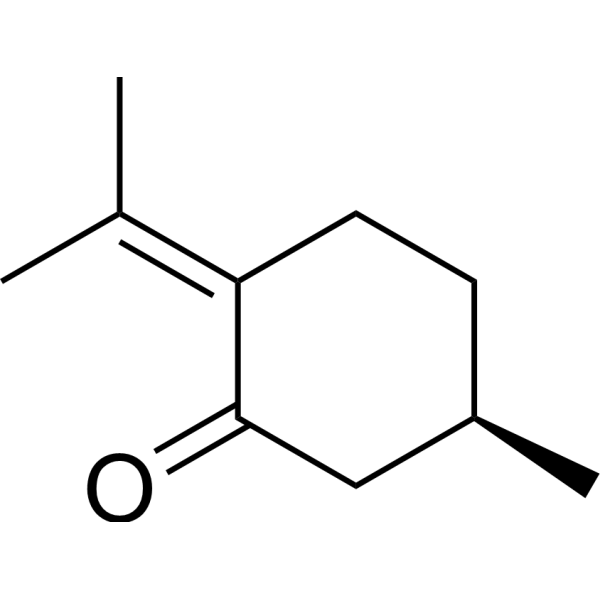
Pulegone is a monoterpene ketone compound widely present in the essential oils of many plants. Pulegone can also be used as a bird repellent. Pulegone has multiple activities such as anti-inflammatory, antibacterial, antifungal, and anti-hyperalgesic effects. Pulegone is particularly effective against bacteria of the Salmonella species.
-
Tetracaine
 0 Images
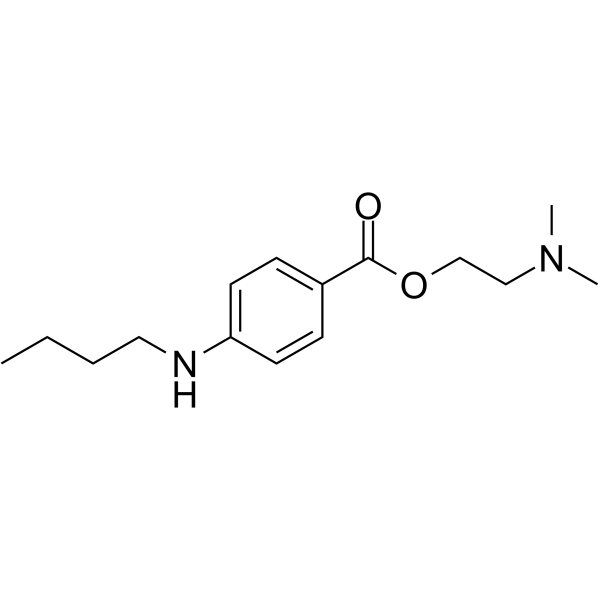
Tetracaine (Amethocaine) is a sodium channel inhibitor and ryanodine receptor (RyR) inhibitor. Tetracaine blocks sodium conduction across nerve cell membranes, preventing rapid sodium ion influx and depolarization. Tetracaine exhibits biphasic effects on spontaneous sarcoplasmic reticulum Ca2+ release in Ca2+-overloaded ventricular myocytes, and increases sarcoplasmic reticulum Ca2+ load. Tetracaine can be used in research related to eye diseases.
-
Palmitoylglycine
 0 ImagesSynonyms: N-palmitoyl glycine
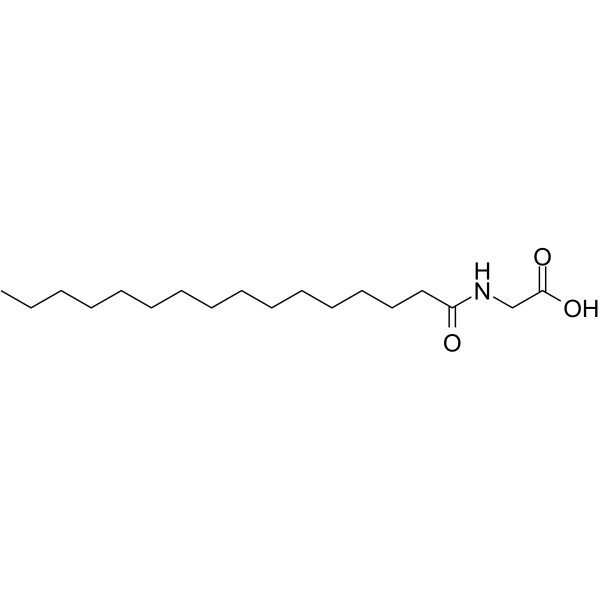
Palmitoylglycine (N-palmitoyl glycine), an endogenous lipid that acts as a modulator of calcium influx and nitric oxide () production in sensory neurons. Palmitoylglycine is linked to an increased risk of Background Brugada syndrome (BrS) and interacts with BrS-associated proteins, demonstrating moderate binding affinities for DCC, CR1, CTSB, NAAA, DEFB1, EPHA1, IGF1/IGFBP3/ALS, and LTA.
-
Hypaconitine
 0 Images
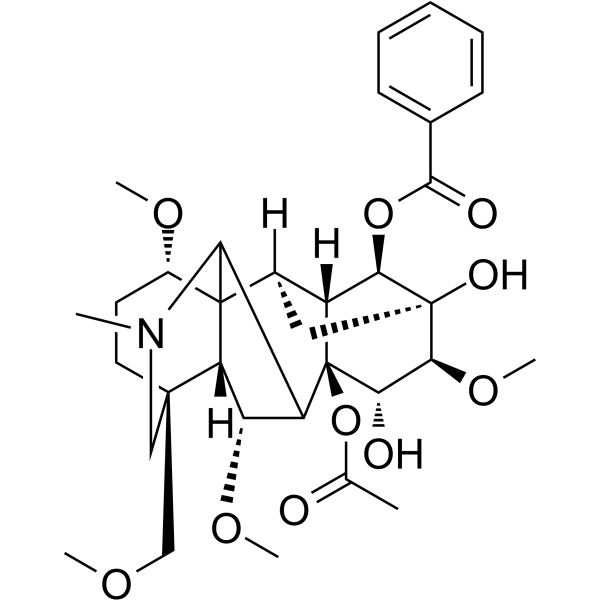
Hypaconitine inhibits the KCNH2 current with an IC50 of 8.1 nM, and exhibits cardiotoxicity. Hypaconitine inhibits TGF-β1-induced epithelial-mesenchymal transition (EMT) in A549 cell through the inhibition of NF-κB nuclear translocation. Hypaconitine acts as the neuromuscular blocker. Hypaconitine is orally active.
-
REM127
 0 Images
REM127 is an orally active, blood-brain barrier-penetrant septin 6/7 molecular glue degrader. REM127 binds to SEPT6 with high affinity and promotes the assembly of SEPT2/6/7 cortical filaments, thereby normalizing cytoplasmic calcium levels, cerebrospinal fluid hyperphosphorylated tau protein levels, synaptic function and cognitive function. REM127 can be used in research related to Alzheimer's disease.
-
Aladorian
 0 ImagesSynonyms: ARM036; S44121
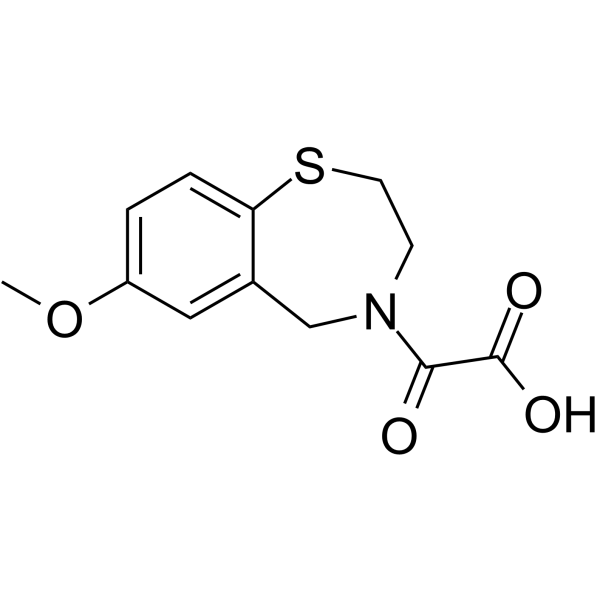
Aladorian (ARM036; S44121) is a non-peptidic ryanodine receptor 2 (RyR2) stabilizer. Aladorian stabilizes RyR2 channels and rectifies abnormal Ca²⁺ handling in cardiomyocytes. Aladorian improves cardiomyocyte Ca²⁺ homeostasis independent of dystrophin restoration. Aladorian attenuates early cardiomyopathy and enhances left ventricular function in a canine muscular dystrophy model. Aladorian can be used for the research of heart failure, Duchenne muscular dystrophy-associated cardiomyopathy and muscular dystrophy.
-
Benzocaine (hydrochloride)
 0 Images
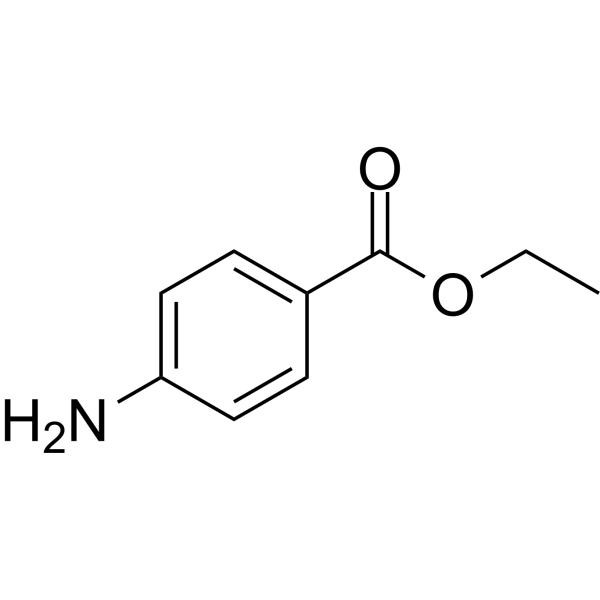
Benzocaine hydrochloride is an orally active local anesthetic. Benzocaine hydrochloride non-competitively inhibits the binding of Ca-ATPase to Ca2+, with an IC50 of 47.1 mM. Benzocaine hydrochloride exerts anesthetic effects by blocking voltage-gated sodium channels. Benzocaine hydrochloride induces methemoglobinemia in various experimental animals.
-
4-Bromo A23187
 0 ImagesCat. No.: HY-N6694CAS No.: 76455-48-6
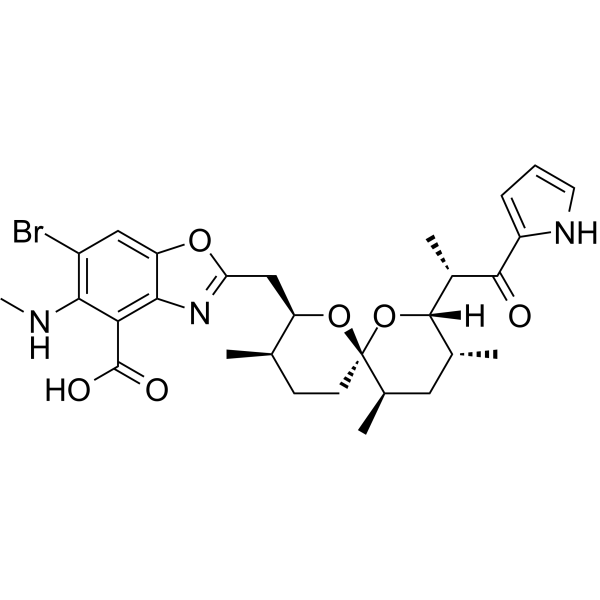
4-Bromo A23187 is a halogenated analog of the highly selective calcium ionophore A-23187. 4-Bromo A23187, a calcium modulator, induces apoptosis in different cells, including HL-60 cells.

-
Brevetoxin B
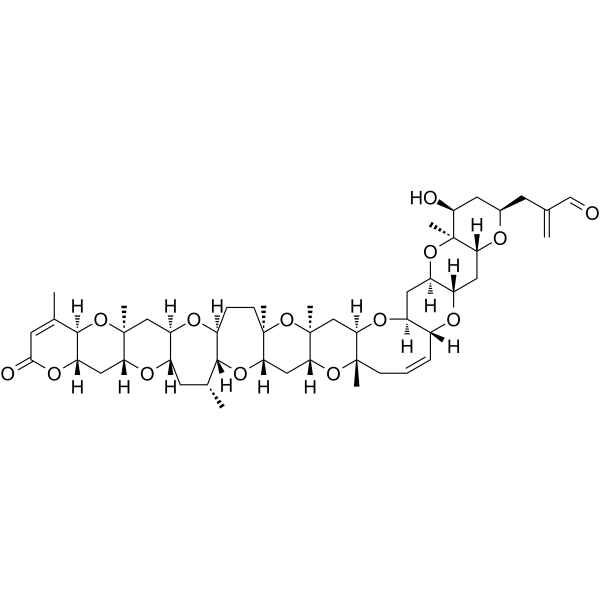 0 ImagesCat. No.: HY-12546CAS No.: 79580-28-2Synonyms: Brevetoxin-2; PbTx-2
Brevetoxin B (Brevetoxin-2) is a red tide toxin. Brevetoxin B affects sodium, potassium and calcium currents in nerve terminals. Brevetoxin B also modulates the metabolic activity of Jurkat cells, reduces cell viability and induces apoptosis. Brevetoxin B can be used in research on synaptic transmission and tumors.
-
Lyso-PAF C-18
 0 Images
Lyso-PAF C-18 is a single-chain ether phospholipid with membrane regulatory activity, and Lyso-PAF is the deacetylated inactive precursor of PAF. Lyso-PAF C-18 regulates the activity of plasma membrane Ca2+-ATPase, and its mechanism of action may involve altering the lipid microenvironment of this enzyme. Lyso-PAF C-18 activates the calcium ATPase in rat synaptosomal membranes and inhibits the calcium ATPase in rat leukocyte membranes. Lyso-PAF C-18 can be used in cell membrane-related research.
-
Quinpirole
 0 ImagesSynonyms: LY 171555; (-)-LY 141865
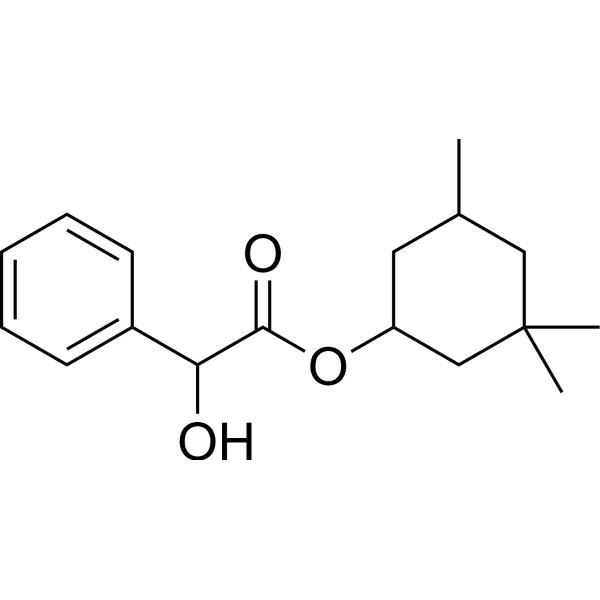
Quinpirole (LY 171555; (-)-LY 141865) is a D2/D3 dopamine receptor agonist and a CaV1.3 calcium channel modulator. Quinpirole normalizes dendritic spine density in dopamine-depleted striatum, upregulates the protein expression of BCL2 and GluR2, downregulates the protein expression of BAX, and delays the onset of seizures. Quinpirole enhances learning and memory, inhibits neuronal apoptosis (apoptosis), and induces anxiety-like, stereotyped, and compulsive behaviors. Quinpirole disrupts prepulse inhibition in rhesus monkeys, enhances the activity of paraventricular thalamic neurons to promote recovery from Isoflurane anesthesia, and alters the composition of the gut microbiota in rats. Quinpirole can be used in research related to dyskinesia, pain, epilepsy, and neurological disorders including anxiety disorder, obsessive-compulsive disorder, and schizophrenia.
-
Monascorubrin
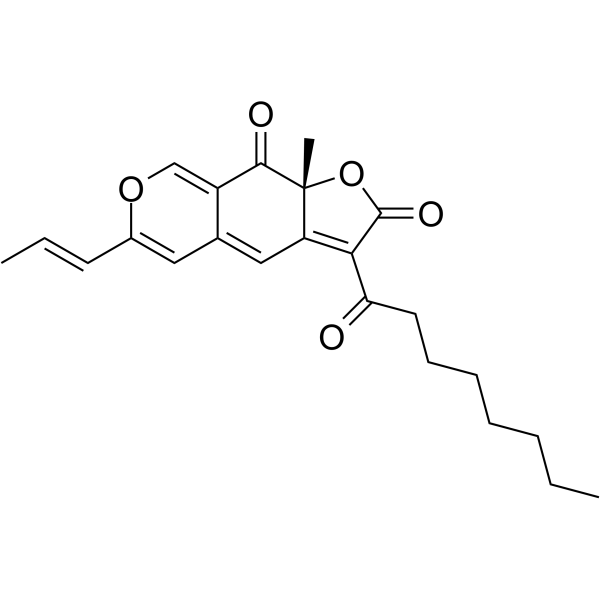 0 Images
Monascorubrin is a compound that can be isolated from Monascus mycelia. Monascorubrin has activities such as anti-inflammatory, anti-tumor, antibacterial, and immunomodulatory. Monascorubrin also has certain embryotoxicity, with an ED50 of 4.3 μg for chicken embryos. Monascorubrin can be used for the research of tumors and inflammatory diseases.



